
Introduction: The Twin Engines of Business Influence
In today’s interconnected, fast-paced digital economy, businesses are no longer judged solely on the quality of their products or services. They are evaluated based on perception, identity, and trust. These intangible assets—crafted and communicated through branding and marketing—are what separate forgettable ventures from iconic empires. While the two concepts are often intertwined, they are fundamentally different in purpose and function. Marketing speaks to the consumer; branding shapes the conversation. Together, they define how a company is seen, remembered, and chosen.
Defining the Terms: More Than Buzzwords
Understanding the difference between marketing and branding is essential to navigating the modern business landscape with intention and clarity.
What Is Branding?
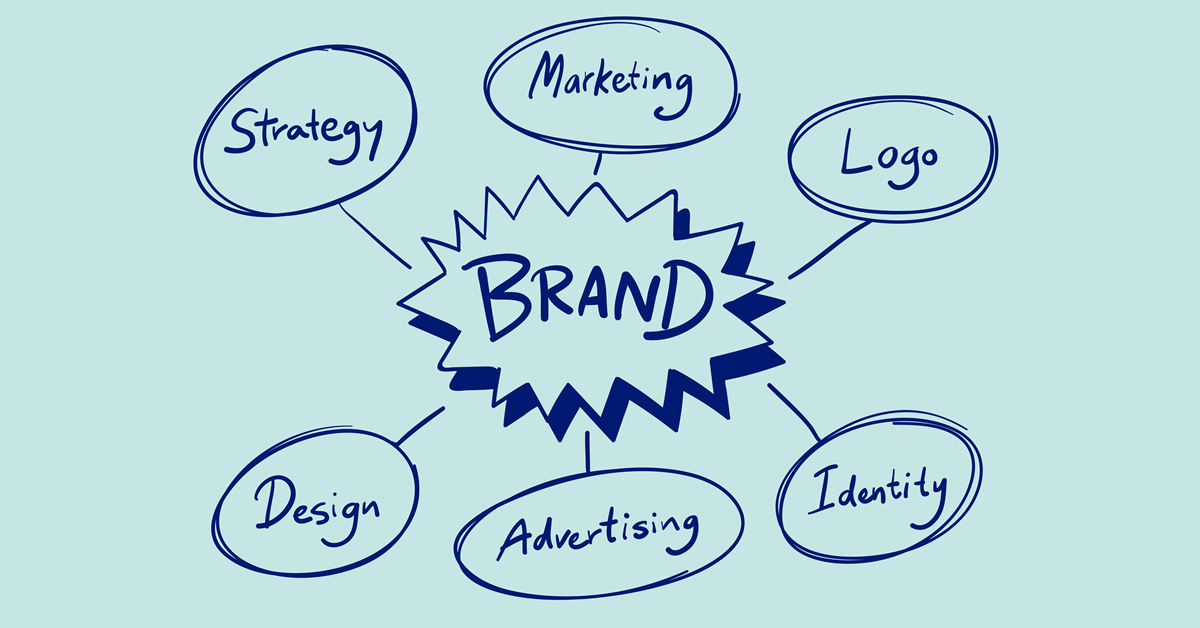
Branding is the heartbeat of a business. It’s the story, the personality, and the promise that a company embodies. It dictates how a business wants to be perceived and sets the foundation for all external communication. From visual identity to tone of voice, from mission statements to customer service philosophies—branding is the silent ambassador that speaks when no marketing campaign is running.
What Is Marketing?
Marketing, on the other hand, is the method by which a brand’s message is communicated to its audience. It is more dynamic, tactical, and adaptable. Whether it’s a targeted email campaign, a viral video, or a high-budget ad during the Super Bowl, marketing is the vehicle that drives the brand’s visibility and persuasion in the market.
Key Differences: Identity vs. Outreach
Although branding and marketing work closely together, recognizing their differences allows businesses to craft more coherent and effective strategies.
-
Focus: Branding is inward-focused, centered on defining who you are. Marketing is outward-focused, concentrating on how to engage others.
-
Longevity: Branding is a long-term investment. Marketing is campaign-driven and often tied to short- or medium-term goals.
-
Purpose: Branding builds loyalty and recognition. Marketing drives sales, awareness, and action.
-
Influence: Branding influences internal culture and external perception. Marketing influences behavior and decisions.
Why Branding Is the Foundation
No marketing strategy can succeed without a well-defined brand. Inconsistent messages, unclear values, or forgettable visuals create confusion and dilute impact. A strong brand, on the other hand, provides a cohesive narrative and emotional anchor that gives all marketing efforts greater resonance.
What Makes a Brand Strong?
-
Clarity of Purpose: Know what you stand for and why you exist beyond profit.
-
Distinct Visual Identity: Logos, color schemes, and typography that are instantly recognizable.
-
Consistent Messaging: Every touchpoint—from website copy to customer support—must echo the same tone and values.
-
Emotional Relevance: Brands that make people feel something are remembered longer and more favorably.
The Role of Marketing in Bringing the Brand to Life
If branding sets the stage, marketing writes the script and brings the performance to life. It turns static identity into a living experience by engaging with consumers through strategic channels and creative storytelling.
Effective Marketing Leverages:
-
Audience Segmentation: Targeting specific demographics and psychographics with tailored content.
-
Content Marketing: Providing value through articles, videos, and resources that align with the brand’s voice and expertise.
-
Performance Metrics: Using analytics to measure and refine campaign effectiveness.
-
Omnichannel Strategies: Delivering consistent experiences across digital and physical platforms.
The Power of Storytelling in Marketing and Branding
Humans are wired for stories. Facts inform, but stories move. Whether through a founder’s journey, customer testimonials, or a powerful brand manifesto, storytelling allows companies to forge emotional connections that transcend transactions.
Storytelling Enhances:
-
Authenticity: Genuine stories make brands relatable and trustworthy.
-
Engagement: Narrative-driven campaigns tend to perform better and foster deeper interaction.
-
Memory Retention: People remember stories far more vividly than data points or product specs.
-
Cultural Resonance: Stories can tie brands to larger social and cultural movements, amplifying relevance.
Creating a Unified Strategy: When Branding and Marketing Align
A siloed approach where branding and marketing operate independently is a recipe for inconsistency. Unified strategies ensure that marketing doesn’t just promote a product—it promotes a purpose, a personality, and a promise.
How to Ensure Alignment:
-
Start with the Brand Strategy: Define core values, voice, and visual identity before launching any campaign.
-
Audit Frequently: Review marketing materials regularly to ensure they reflect current brand positioning.
-
Collaborate Across Departments: Ensure marketing, sales, product, and customer service teams are all aligned on brand messaging.
-
Educate Internally: Your employees should understand and embody the brand—only then can they become authentic ambassadors.
The New Landscape: Challenges and Opportunities
The modern branding and marketing environment is shaped by shifting consumer expectations, technological innovation, and an unprecedented level of competition. Audiences demand more than clever taglines; they expect transparency, inclusivity, and purpose.
Emerging Trends to Watch:
-
Personalization: Consumers expect messages tailored to their behavior and preferences.
-
Sustainability and Ethics: Brands perceived as socially responsible gain favor and loyalty.
-
Community-Building: Successful brands foster communities, not just customer bases.
-
AI and Automation: While tools can enhance efficiency, brands must ensure interactions remain human and emotionally intelligent.
Conclusion: Building Influence That Lasts
Marketing and branding are not mere tools; they are the language and essence of business influence. Branding defines who you are. Marketing broadcasts that identity to the world. When the two work in concert—anchored in authenticity, driven by strategy, and executed with creativity—they create more than commercial success. They build reputations, ignite movements, and inspire loyalty that lasts a lifetime.
In an era where every business is competing for attention, those that lead with clarity of identity and consistency of message will not only rise above the noise—they will become voices worth listening to.
 Striv Business Blog