
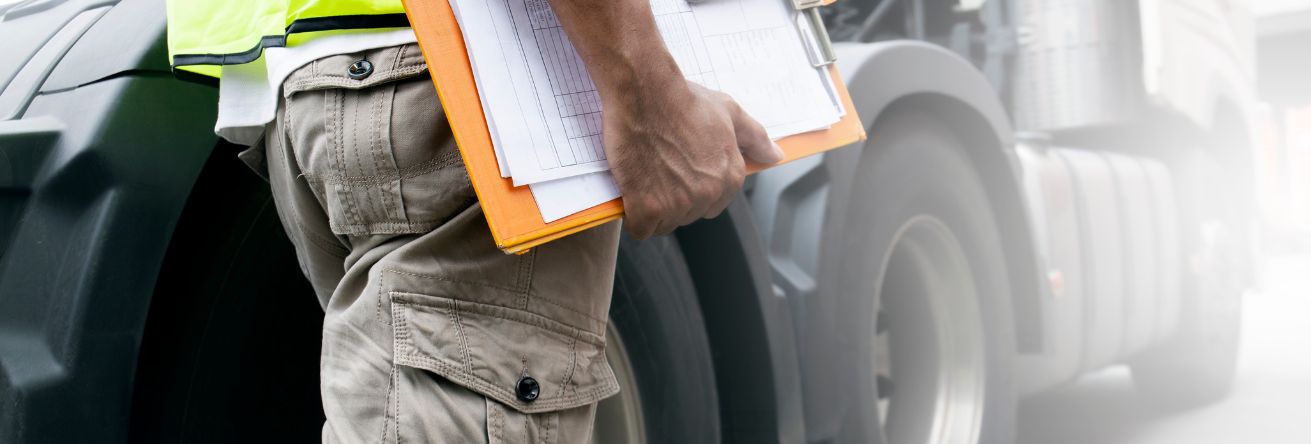
Imagine you’re running a business that relies on moving goods from one place to another. Whether it’s raw materials coming in or finished products going out, there’s always a risk something could go wrong during the journey. That’s where the importance of having the right insurance comes in, specifically, understanding the nuances of goods in transit insurance.
This type of insurance is designed to protect your business from financial losses if your goods are damaged, lost, or stolen while they’re being transported. But what exactly does it cover, and how does it work? Let’s break it down.
What is goods in transit insurance?
Goods in transit insurance, sometimes called cargo insurance, covers loss or damage to your goods while they are being transported from one location to another. This can include transport by road, rail, sea, or air. It’s a crucial safety net for businesses that regularly ship products, equipment, or materials.
Think of it like this: if you’re a furniture retailer, your stock is constantly on the move, from the manufacturer to your warehouse and then to your customers. Any mishaps along the way can lead to significant financial setbacks. With goods in transit cover, you’re shielded from these potential losses.
Why do you need it?
Even with the most careful planning and reliable carriers, accidents happen. A truck might be involved in a collision, a shipment could be damaged by rough seas, or goods could be stolen from a warehouse. Without insurance, your business would have to bear the full cost of these losses, which could be devastating, especially for smaller businesses.
Furthermore, standard business insurance policies often don’t cover goods while they’re in transit. This is because the risks associated with transportation are different from those faced at a fixed location. Therefore, a specific goods in transit policy is necessary to fill this gap.
What does goods in transit insurance cover?
The specifics of what’s covered by a goods in transit policy can vary depending on the insurer and the level of cover you choose. However, some common inclusions are:
- Damage: Cover for physical damage to your goods caused by accidents, mishandling, or exposure to the elements.
- Theft: Protection against losses resulting from theft of your goods during transit.
- Loss: Compensation if your goods are lost or go missing during transportation.
- General Average: This is a maritime law principle where all parties in a sea venture proportionally share any losses resulting from a voluntary sacrifice of part of the ship or cargo to save the whole venture from peril. Goods in transit insurance can cover your share of these costs.
It’s important to carefully review the policy wording to understand exactly what is and isn’t covered. For example, some policies may exclude coverage for certain types of goods, or for damage caused by inadequate packaging.
What isn’t usually covered?
While goods in transit insurance offers broad protection, there are some common exclusions to be aware of:
- Wear and tear: Damage that occurs due to normal wear and tear, rather than a specific incident.
- Inherent vice: Loss or damage caused by the inherent nature of the goods themselves (e.g., perishable goods spoiling).
- Unsuitable packaging: Damage caused by inadequate or improper packaging.
- Deliberate acts: Loss or damage caused by deliberate acts of the insured or their employees.
Understanding these exclusions is crucial to ensuring you have adequate cover. If you’re unsure about any aspect of your policy, it’s always best to seek clarification from your insurer or broker.
Factors affecting the cost of goods in transit insurance
Several factors can influence the cost of your goods in transit insurance premium. These include:
- The type of goods being transported: High-value or easily damaged goods will typically attract higher premiums.
- The distance and mode of transport: Longer journeys and riskier modes of transport (e.g., sea freight) will increase the cost.
- The value of the goods: Higher-value goods will require more comprehensive cover and therefore higher premiums.
- Your claims history: A history of frequent claims may result in higher premiums.
- The level of cover you choose: More comprehensive policies with higher limits will generally cost more.
By understanding these factors, you can take steps to manage your risk and potentially reduce your insurance costs. For example, you could improve your packaging, choose more reliable carriers, or implement better security measures.
Choosing the right policy
Selecting the right goods in transit insurance policy requires careful consideration of your business needs. Here are some key factors to keep in mind:
- Assess your risks: Identify the potential risks your goods face during transit, based on the type of goods, the routes they travel, and the modes of transport used.
- Determine the appropriate level of cover: Consider the maximum value of goods you typically transport in a single shipment, and choose a policy with sufficient coverage limits.
- Compare quotes from multiple insurers: Don’t settle for the first quote you receive. Shop around to find a policy that offers the best value for money.
- Read the policy wording carefully: Pay close attention to the inclusions, exclusions, and conditions of the policy.
- Seek professional advice: An experienced insurance broker perth can help you navigate the complexities of goods in transit insurance and find the right policy for your specific needs.
Taking the time to do your research and seek expert guidance will ensure you have the right protection in place, giving you peace of mind knowing your goods are covered.
The benefits of having adequate cover
Investing in comprehensive professional goods in transit coverage offers numerous benefits for your business:
- Financial protection: It safeguards your business from potentially devastating financial losses due to damage, theft, or loss of goods.
- Business continuity: It allows you to quickly recover from unexpected events and continue operating without significant disruption.
- Peace of mind: It provides assurance that your goods are protected throughout the transportation process.
- Improved customer relations: It enables you to quickly replace or repair damaged goods, maintaining customer satisfaction.
Ultimately, goods in transit insurance is an investment in the long-term success and stability of your business. It’s a small price to pay for the peace of mind and financial security it provides.
Common scenarios where goods in transit insurance is essential
Let’s explore some real-world scenarios where having goods in transit insurance can be a lifesaver:
- A delivery truck carrying fragile electronics is involved in a traffic accident. Without insurance, the business would have to bear the cost of replacing the damaged goods, which could be substantial.
- A shipment of valuable artwork is stolen from a secure warehouse while awaiting transport. Goods in transit insurance would cover the loss, preventing a major financial blow to the art dealer.
- A container of imported goods is damaged by seawater during a storm. The policy would cover the cost of repairing or replacing the damaged goods, mitigating the financial impact on the importer.
These examples highlight the importance of having adequate cover, regardless of the size or nature of your business. Unexpected events can occur at any time, and having the right insurance in place can make all the difference.
Goods in transit insurance: a summary
In conclusion, goods in transit insurance is a vital form of protection for businesses that transport goods. It covers against financial losses resulting from damage, theft, or loss of goods during transit. Understanding what the insurance covers, what affects the cost and how to choose the right policy is crucial.
By taking the time to assess your risks, compare quotes, and seek professional advice, you can ensure you have the right coverage in place to protect your business from the unexpected. It’s a smart investment that provides peace of mind and financial security.
Frequently Asked Questions
What types of goods can be insured under a goods in transit policy?
Most types of goods can be insured, but some high-value or high-risk items may require special consideration or endorsements. Common examples include electronics, machinery, furniture, clothing, and food products.
How do I make a claim under a goods in transit policy?
The claims process typically involves notifying your insurer as soon as possible after the incident, providing supporting documentation such as invoices, shipping documents, and police reports (if applicable), and completing a claim form. Your insurer will then assess the claim and determine the amount of compensation payable.
Can I get goods in transit insurance for international shipments?
Yes, goods in transit insurance can be extended to cover international shipments. However, it’s important to ensure that the policy includes coverage for the specific countries and modes of transport involved in your international trade.
What is the difference between goods in transit insurance and freight insurance?
The terms are often used interchangeably, but freight insurance typically refers specifically to coverage for goods transported by sea or air, while goods in transit insurance can cover all modes of transport. However, the core purpose of both types of insurance is the same: to protect your goods from loss or damage during transit.
How can I reduce the cost of my goods in transit insurance?
You can reduce the cost of your insurance by improving your packaging, choosing more reliable carriers, implementing better security measures, increasing your policy excess, and comparing quotes from multiple insurers.

