
Introduction: The Engine Beneath Progress
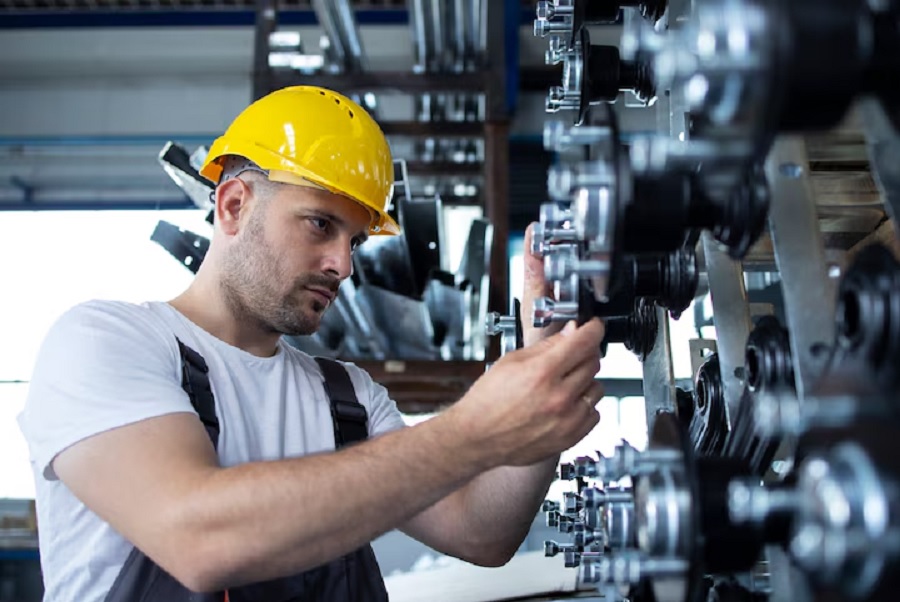
The Industrial Backbone: How Industries Shape Economies, Societies, and the Future
Industries are not just segments of economic categorization—they are the unseen forces driving development, innovation, and societal structure. From the roaring engines of manufacturing plants to the precision of high-tech laboratories, industries are the connective tissue between raw potential and real-world application. They dictate the rhythm of economies, determine the trajectory of national progress, and shape the daily experiences of billions. Understanding industries is not merely about recognizing factories and jobs—it’s about comprehending the foundation of our modern civilization.
Understanding Industry Classifications
Industries are broadly categorized based on the nature of their activities and their contribution to the value chain. This classification helps economists, policymakers, and businesses understand structural dynamics and allocate resources effectively.
Primary Industries: The Resource Harvesters
These industries are rooted in the direct extraction and use of natural resources. They represent the first step in the economic value chain.
- Agriculture and Farming: Provide food and raw materials essential for both domestic use and export.
- Mining and Quarrying: Supply vital minerals and fossil fuels to energy, manufacturing, and construction sectors.
- Forestry and Fishing: Sustain ecosystem services while supporting millions through employment.
Secondary Industries: The Makers and Builders
Transforming raw materials into usable products, secondary industries are often what people visualize when they think of industrial activity.
- Manufacturing: Covers an array of products—from electronics and automobiles to garments and machinery.
- Construction: Responsible for infrastructure, residential housing, commercial real estate, and urban planning.
- Industrial Processing: Converts raw resources into semi-finished goods used in other sectors.
Tertiary Industries: The Service Enablers
This sector revolves around providing services rather than tangible goods. It includes:
- Healthcare and Education: Fundamental to human development and social infrastructure.
- Transportation and Logistics: Enable movement of people and products across regions and continents.
- Finance, Retail, and Hospitality: Facilitate consumption, support livelihoods, and stimulate further industrial activity.
Quaternary and Quinary Industries: The Intellect and Leadership Sectors
The knowledge-based and decision-making sectors form the apex of industrial classification.
- Quaternary: Includes IT, R&D, data analytics, and scientific research—intellectual capital-intensive fields.
- Quinary: Comprises top-level executives, policy-makers, and institutional leaders influencing economic and social directions.
The Evolution of Industry Through Time
The First Industrial Revolution
Beginning in the late 18th century, this era marked the mechanization of agriculture and textile manufacturing, powered by steam engines. It ushered in mass production, urban migration, and unprecedented economic growth.
The Second Industrial Revolution
Spanning the late 19th and early 20th centuries, this phase introduced electricity, steel production, and assembly line manufacturing. Innovations in transportation (railways, automobiles) and communication (telegraph, telephone) redefined the global economic landscape.
The Third Industrial Revolution
Also known as the Digital Revolution, it emerged in the late 20th century. It integrated computers, information technology, and automation into traditional industries, improving efficiency and global connectivity.
The Fourth Industrial Revolution
Characterized by artificial intelligence, robotics, the Internet of Things (IoT), and biotechnology, the current industrial phase blurs boundaries between physical, digital, and biological spheres. It emphasizes smart systems, real-time data, and highly customized production.
The Critical Role of Industries in Society
Economic Development
Industries fuel GDP growth by generating goods and services. They support a vast ecosystem of ancillary sectors and create a multiplier effect on national income.
Employment Creation
Industrial sectors collectively employ billions globally. They provide jobs across skill levels—ranging from manual labor to high-level strategic roles.
Urbanization and Infrastructure
Industrialization leads to the development of cities, roads, ports, and energy systems. It shapes the geographic and economic fabric of nations.
Technology and Innovation
Many breakthroughs—from the steam engine to semiconductors—have their roots in industrial R&D. Industries not only adopt innovation; they drive it.
Global Trade and Investment
Industrial output forms the core of global trade. Export-led industrial strategies have propelled countries like China, Germany, and South Korea into economic powerhouses.
Social Mobility and Quality of Life
Industries enable upward mobility by providing stable incomes, skill development, and improved standards of living. They also support community development through CSR initiatives.
Modern Challenges Facing Global Industries
Despite their immense contributions, industries today face a host of complex challenges that demand strategic foresight and ethical recalibration.
Environmental Degradation
- Industrial pollution contributes significantly to global warming and biodiversity loss.
- Unsustainable resource extraction depletes ecosystems and threatens future productivity.
- Solutions lie in green technologies, sustainable sourcing, and regulatory frameworks.
Technological Disruption
- Automation and AI are displacing low-skilled jobs, necessitating massive reskilling efforts.
- Cybersecurity threats are increasing as industries digitize operations.
- Maintaining a balance between efficiency and human employment is crucial.
Geopolitical Instability and Supply Chain Risks
- Trade wars, pandemics, and regional conflicts can disrupt global supply chains.
- Many industries are reassessing their reliance on single-source suppliers and are shifting toward localization and diversification.
Equity and Inclusion
- Gender gaps, labor exploitation, and income inequality persist in many sectors.
- Ethical labor practices and inclusive policies must be embedded in industrial strategies.
The Path Ahead: Building Future-Ready Industries
To remain resilient and relevant, industries must evolve in sync with global priorities and technological potential.
Key Strategies for Industrial Transformation
- Digital Integration: Leveraging AI, machine learning, and big data to improve productivity.
- Sustainability Focus: Embracing circular economy models, renewable energy, and zero-waste manufacturing.
- Talent Development: Investing in STEM education, vocational training, and continuous learning.
- Global Collaboration: Forming cross-border partnerships to share resources, knowledge, and innovations.
- Policy Alignment: Governments must create conducive environments through investment, tax incentives, and environmental regulation.
Conclusion: Industries as Architects of the Modern World
Industries are far more than engines of economic activity—they are the architects of modern life. Their influence permeates every aspect of human existence, from the food we eat and the homes we inhabit to the technologies that connect us. As the world navigates the complexities of the 21st century, industries must not only adapt to change—they must lead it with vision, responsibility, and innovation. By embracing sustainable practices, fostering human development, and driving technological progress, industries can continue to be the foundation upon which prosperous and equitable societies are built.
 Striv Business Blog