
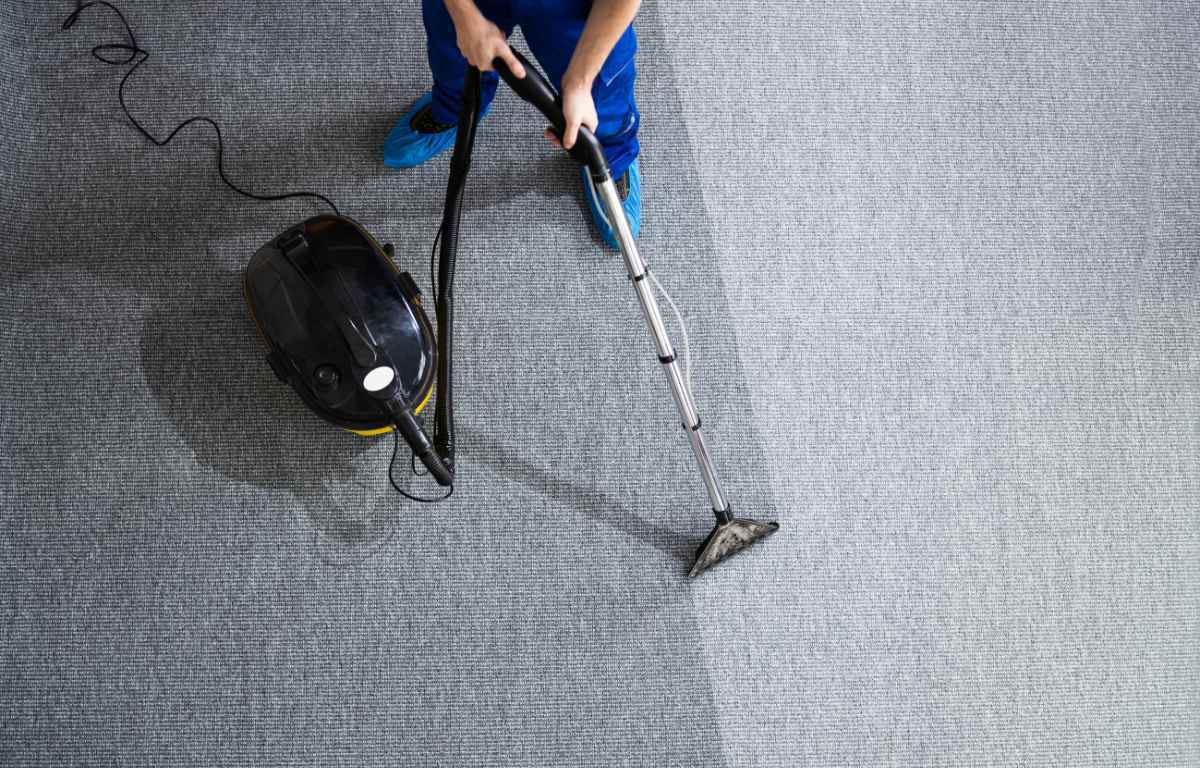
Finance teams reviewing facilities budgets tend to treat carpet cleaning as a discretionary line that can be stretched when money is tight. That reading is understandable and expensive, because carpet is a depreciating asset whose life is determined largely by how it is maintained. Assessing commercial carpet cleaning cost sensibly means comparing it against replacement cost and asset life rather than against zero.
The Asset Being Protected
Commercial carpet represents a substantial capital investment, and replacing it involves more than the material there is uplift and disposal, floor preparation, out-of-hours installation, and disruption to the occupants of every affected area. Against that, a maintenance programme is a small recurring expense. The question is not whether cleaning is affordable but whether accelerating a replacement cycle by several years is affordable, and framed that way the answer is usually obvious.
Why Neglect Shortens Life So Sharply
The mechanism is abrasion. Soil tracked in from outside is predominantly mineral grit, and grit cuts carpet fibre with every footfall. Cut fibres scatter light differently, which produces the permanently dull traffic lanes visible in most poorly maintained offices. No cleaning method reverses that damage. Regular removal of grit through matting and frequent vacuuming prevents it, which is why the cheapest interventions have the largest effect on asset life.
What Drives the Quoted Figure
Several variables move the price. Total area matters, but layout matters more, since open floors clean faster per square metre than the same area divided into small offices. Method sets the band, with hot water extraction at the upper end and encapsulation lower. Soiling level affects the number of passes and whether pre-treatment is required. Furniture handling adds labour. Access hours carry premiums out of normal working time. Additional services such as spot treatment, deodorising and protective treatment may be included or extra. Reviewing published detail on the cost of carpet cleaning clarifies how these combine before you seek quotations.
Frequency Lowers Total Spend
This is counterintuitive to anyone reading the line item in isolation. Carpet maintained on a regular cycle never accumulates the soil load that requires restorative treatment, so each visit is cheaper and faster. Carpet cleaned only when it looks bad requires pre-spray, agitation and multiple passes, costs more per visit, and still does not fully recover. Across three years the regular programme costs less in cleaning and considerably less in deferred replacement, which is the comparison the budget should actually reflect.
The Cheapest Elements Deliver the Most
Two low-cost measures outperform any cleaning method. Entrance matting of adequate length several metres of walk-off, not a token mat at the door captures a large proportion of incoming soil before it reaches the carpet. Daily vacuuming with a machine that has working suction and intact filtration removes grit before it is ground in. Together these cost a fraction of a cleaning programme and extend intervals between deep cleans significantly. Facilities budgets that fund cleaning but skimp on matting have the priorities inverted.
Building the Annual Budget
A realistic structure has three tiers: daily vacuuming absorbed within the general cleaning contract, interim encapsulation of traffic lanes every one to three months according to footfall, and deep extraction once or twice a year. Budgeting the annual total rather than pricing individual visits makes the figure predictable and makes the comparison against replacement cost straightforward. It also prevents the pattern where cleaning is deferred quarter by quarter until restoration becomes necessary.
Where Bundling Helps
Carpet care rarely stands alone. Where it forms part of a wider facilities requirement, including it within a professional office cleaning services agreement usually secures a better rate, allows the provider to schedule efficiently around occupancy, and produces a single point of accountability. It also means the daily cleaning team and the periodic specialists are working to one plan rather than around each other.
Assessing Quotations Honestly
Compare scope rather than headline figures. Establish the method proposed and why, whether furniture will be moved, what pre-treatment is included, what drying time is realistic, and what is explicitly excluded. Ask whether the provider inspected the site a quotation produced from a floor plan will be revised on arrival. Where one price sits far below the others, the explanation is nearly always a lighter method or a narrower scope rather than superior efficiency.
The Decision in Plain Terms
Maintaining carpet costs a predictable amount each year and delays a large capital expense. Neglecting it saves a modest amount now and brings that expense forward, along with a workplace that looks tired in the meantime. For most organisations the maintenance programme pays for itself several times over across the life of a single carpet installation which makes it one of the more straightforward facilities decisions available, once the comparison is framed correctly.
For anyone preparing a business case, the most persuasive figure is usually the replacement quotation. Obtaining an indicative cost for uplifting, disposing of and reinstalling the existing carpet including the out-of-hours labour and the disruption to occupied floors gives the maintenance budget a number to sit against. Presented that way, the annual programme reads as deferral of a large capital item rather than as recurring expenditure on something that looks acceptable already.

