
For a long time, solar panels felt like something for big corporations with dedicated sustainability teams and deep pockets. Not any more. Walk around most business parks in the UK right now and you’ll spot them on warehouse rooftops, above car parks, bolted to the sides of factory units. Small and medium-sized businesses are getting in on it – and the reasons are pretty straightforward.
Energy costs have been brutal. The past few years have left a lot of business owners acutely aware of just how exposed they are to wholesale energy prices, and the bills that follow. Solar panels offer a way to generate electricity on-site and sidestep at least some of that exposure. It doesn’t eliminate the problem, but it takes the edge off in a meaningful way – particularly during daylight hours when a business is actually running.
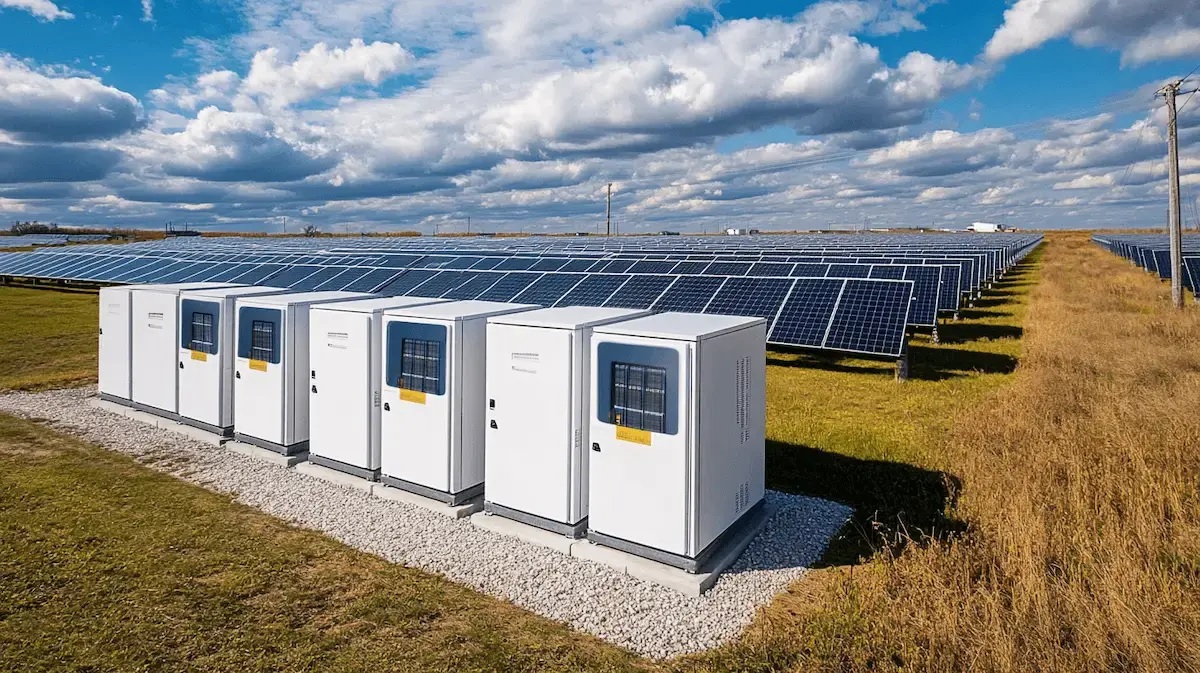
Battery storage is the part that really changes things. On its own, solar is great when the sun’s out, less useful at 6am on a grey January morning. Pair it with a battery system and you can store surplus energy generated during the day and draw on it when you need it most. For businesses that run early shifts or stay open into the evening, that flexibility matters considerably.
There’s also the question of what happens to energy you don’t use. Under the Smart Export Guarantee, businesses can sell excess electricity back to the grid, which turns a fixed overhead into something that occasionally earns money. It’s not a fortune, but it changes the nature of the investment.
The upfront cost is still a barrier for some. A decent commercial solar and battery setup can run to tens of thousands of pounds depending on the size of the installation, and while there are financing options and government-backed support schemes, you do need to go in with eyes open. Payback periods tend to fall in the seven-to-twelve year range, which for most businesses means a long-term commitment rather than a quick win.
That said, the businesses doing this calculation now are largely finding it stacks up – especially with energy prices unlikely to return to pre-2021 levels any time soon. Some are also factoring in the reputational angle: customers, staff and investors are increasingly interested in what companies are doing on sustainability, and a solar install is a visible, concrete answer to that question.
For any SME thinking through the numbers, this guide covers what UK businesses need to know about commercial solar and battery storage, including practical questions around planning permission, grid connection and choosing an installer. Worth reading before you start getting quotes, because the details matter and they vary more than most people expect.
The technology itself has also improved considerably. Panels are more efficient, batteries hold more charge, and the monitoring software that comes with modern systems gives you a genuinely useful view of your energy use – which, for a lot of businesses, is eye-opening in itself.
The technology itself has also improved considerably. Panels are more efficient, batteries hold more charge, and the monitoring software that comes with modern systems gives you a genuinely useful view of your energy use – which, for a lot of businesses, is eye-opening in itself.

